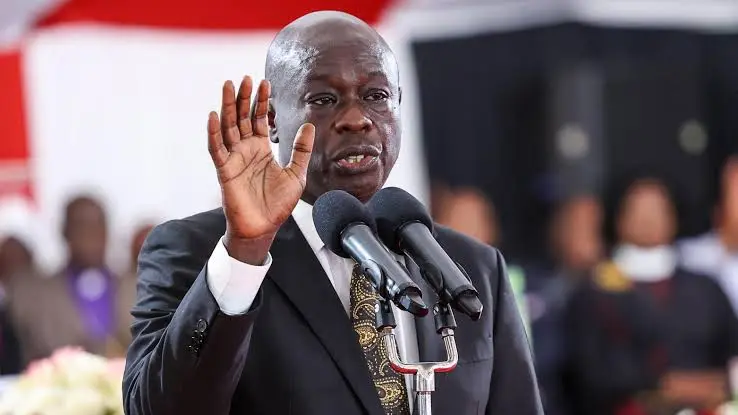
Sifuna Fires Back at Ruto: “Housing Levy Will Go With You” as SHA Deductions Fuel 2027 Clash
Nairobi Senator Edwin Sifuna has escalated his confrontation with President William Ruto by turning the President’s attack on his housing-levy contribution into a wider criticism of the deductions borne by salaried Kenyans.
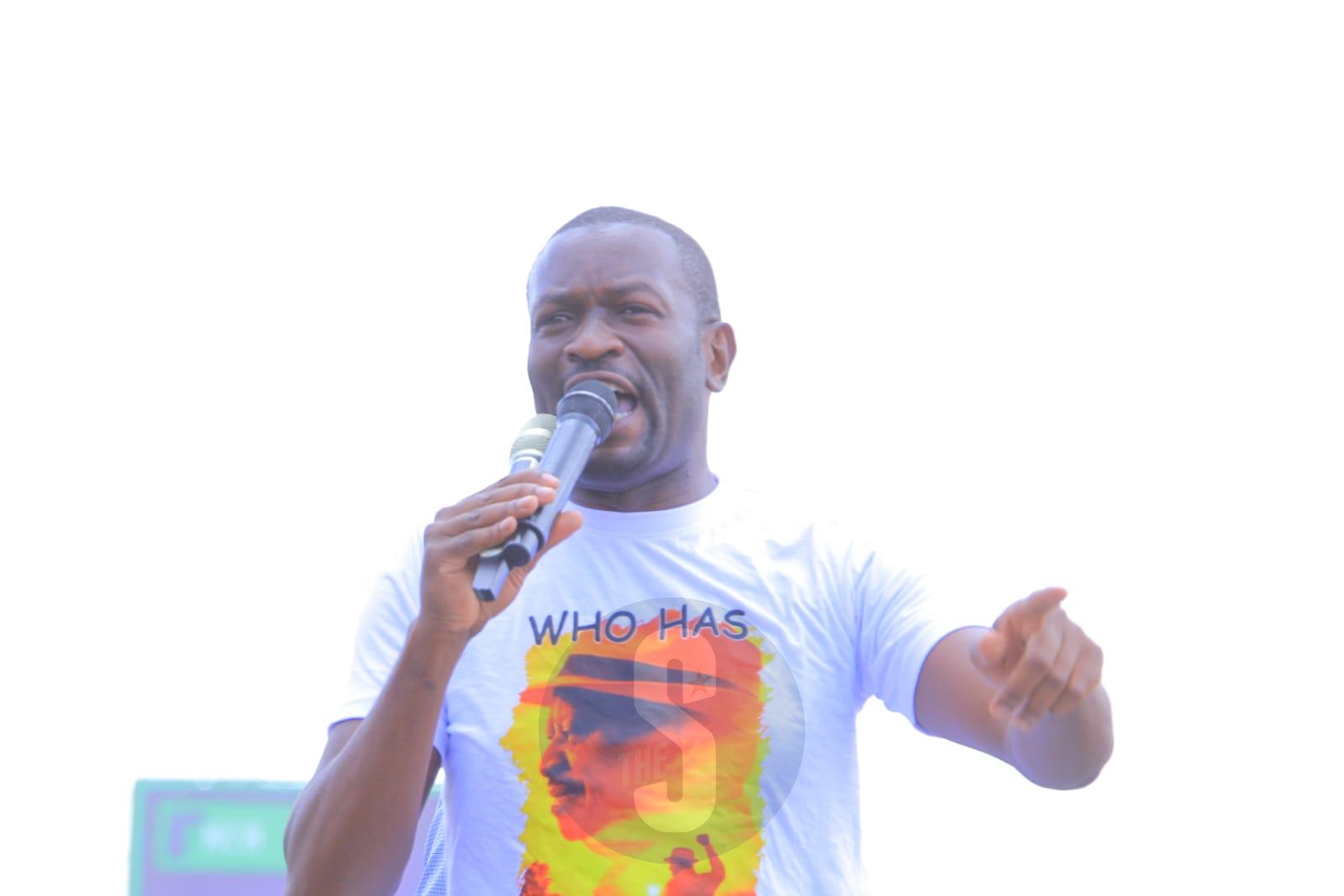
Sifuna says he pays KSh24,000 monthly toward the Affordable Housing Levy, KSh43,000 toward the Social Health Authority (SHA), and about KSh500,000 in Pay As You Earn (PAYE) tax, and has pledged that an opposition government would abolish the housing levy after the 2027 General Election.
What sparked the clash
The exchange began after Sifuna publicly opposed the Affordable Housing Levy and said it should be scrapped if the opposition wins power in 2027. President Ruto responded during a public engagement in Baringo County on Tuesday, October 13, accusing Sifuna of failing to appreciate the programme’s role in creating jobs and providing homes for Kenyans living in informal settlements.
Ruto argued that repealing the levy would endanger livelihoods connected to affordable-housing construction and undermine the aspirations of low-income Kenyans seeking decent homes. He also questioned Sifuna’s complaint about a KSh24,000 monthly contribution, implying that it reflected a high income and that the senator should consider the programme’s benefits to ordinary citizens.
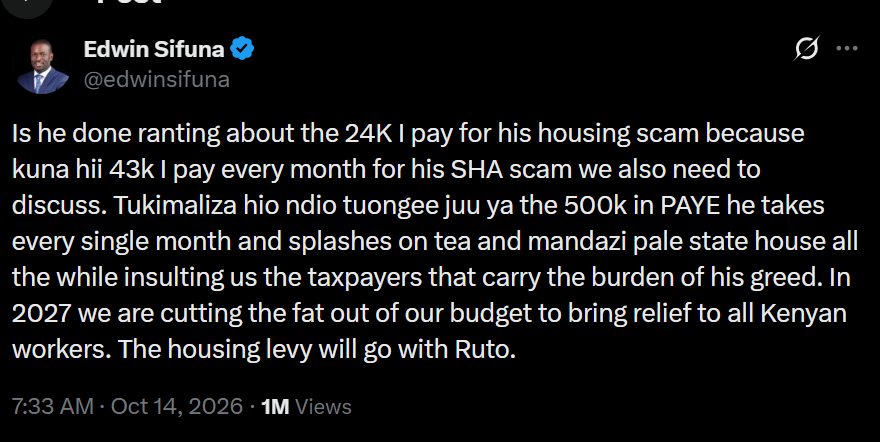
Sifuna responded the following day, October 14, in a social-media statement. Rather than confining the debate to the housing levy, he challenged the President to address the cumulative burden of statutory deductions on formal-sector workers, saying: “Is he done ranting about the 24K I pay for his housing scam because kuna hii 43k I pay every month for his SHA scam?” He also cited KSh500,000 in monthly PAYE.
What Sifuna is proposing
Sifuna’s central political message is that Kenya’s tax and deduction system has become too heavy for workers, and that a future opposition administration should reduce the burden by cutting what he called “the fat” from the budget. He specifically pledged: “In 2027 we are cutting the fat out of our budget to bring relief to all Kenyan workers. The housing levy will go with Ruto.”
His position is not simply that housing should not be built. Rather, he is arguing that the current levy is an unfair way to finance the Affordable Housing Programme and that public spending should be restructured to relieve workers. He has also accused the government of insulting taxpayers while relying on their contributions to finance State operations, including alleged spending on tea and mandazi at State House.
It is important to distinguish his stated commitment from a complete policy programme. Sifuna has clearly vowed to end the housing levy, but the reports do not show a detailed, costed alternative for replacing its revenue or for financing affordable housing after repeal. His broader claim is that budget cuts and better spending priorities could generate relief for workers.
The legal basis of the deductions
The Affordable Housing Levy is governed by the Affordable Housing Act, 2024. Under the law, both the employee and employer contribute 1.5 percent of the employee’s gross monthly salary, meaning the combined contribution is 3 percent of gross salary. The Kenya Revenue Authority began collecting it from March 19, 2024, and employers must remit it by the ninth working day after the end of the payroll month.
For Sifuna’s cited KSh24,000 housing-levy deduction, the arithmetic implies a gross monthly salary of about KSh1.6 million, because 1.5 percent of KSh1.6 million is KSh24,000. This is consistent with the reported remuneration of senior public officials once basic salary and allowances are included, although the senator’s exact gross pay has not been independently verified in the available reporting.
The SHA contribution is different. Under the Social Health Insurance (General) Regulations, 2024, a household earning income from salaried employment contributes 2.75 percent of gross salary or wages to the Social Health Insurance Fund. The contribution has a minimum of KSh300 per month and no statutory maximum.
Sifuna’s claimed KSh43,000 SHA payment implies a gross monthly income of roughly KSh1.56 million, since 2.75 percent of that amount is about KSh42,900. That figure is broadly consistent with the income implied by his housing-levy claim, though it remains his personal disclosure rather than an officially published payslip.
Why the dispute matters
The confrontation is significant because it touches on two of the Kenya Kwanza administration’s most contested financing reforms: the Affordable Housing Programme and the transition from the National Health Insurance Fund to the Social Health Authority. Both affect workers’ payslips directly, and both have generated public debate over affordability, transparency, and whether the benefits justify the deductions.
For the government, the housing levy is presented as a stable funding stream for affordable housing and employment. Ruto’s response frames repeal as a threat to construction jobs and to housing delivery for informal-settlement residents.
For Sifuna and other critics, the issue is the cumulative effect on workers already paying PAYE, statutory pensions, and other deductions. His argument is that the state should not keep adding levies without addressing waste, priorities, and the overall tax burden.
The political context
Sifuna has positioned himself as one of the most prominent critics of the Ruto administration and leads the Linda Mwananchi Movement. His comments come as political positioning ahead of the 2027 General Election intensifies, with cost-of-living pressures, taxation, healthcare access, and public spending likely to remain central campaign issues.
Ruto’s attack also served a political purpose: portraying Sifuna as detached from ordinary Kenyans because of his relatively high earnings, while presenting the housing programme as pro-poor and job-creating. Sifuna’s rebuttal sought to reverse that framing by arguing that high earners are also being heavily taxed and that the government’s spending priorities, rather than workers’ contributions, should be scrutinised.
The exchange therefore reflects more than a disagreement over one levy. It is a contest over how Kenya should fund public goods: through broad mandatory worker contributions, or through alternative budgetary choices and spending reforms.
Written by
Lawrence JLawrence John is the Founder and Editor of Africa Daily Dispatch, an independent digital publication focused on delivering timely, accurate and context-driven coverage of Africa and the wider world.
See more of our stories on Google
Add The Africa Daily Dispatch as a preferred source and we'll appear more often in your Top Stories.
Comments
Join the conversation.
Loading comments…