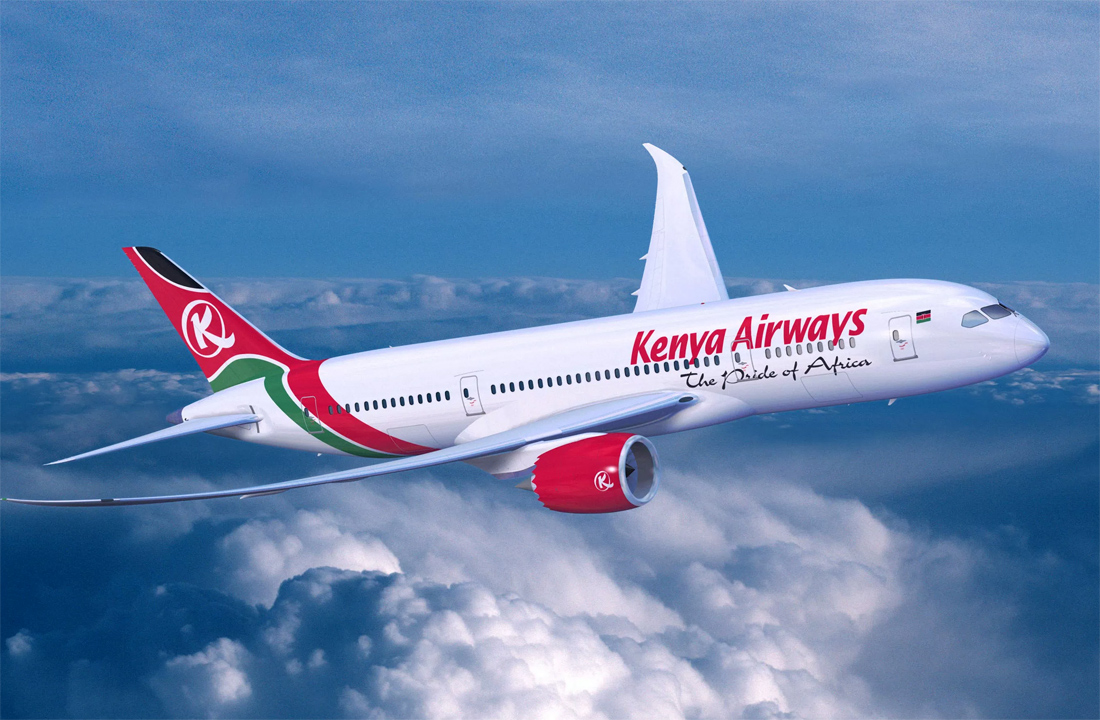
Senior Counsel Paul Muite seeks Sh3m compensation after KQ strands family in Zanzibar
Veteran lawyer and Senior Counsel Paul Muite has issued a formal seven-day demand to Kenya Airways (KQ), seeking more than Sh3 million in compensation after his family was stranded for over seven hours at Zanzibar’s Abeid Amani Karume International Airport when their return flight to Nairobi was cancelled on August 31, 2026.
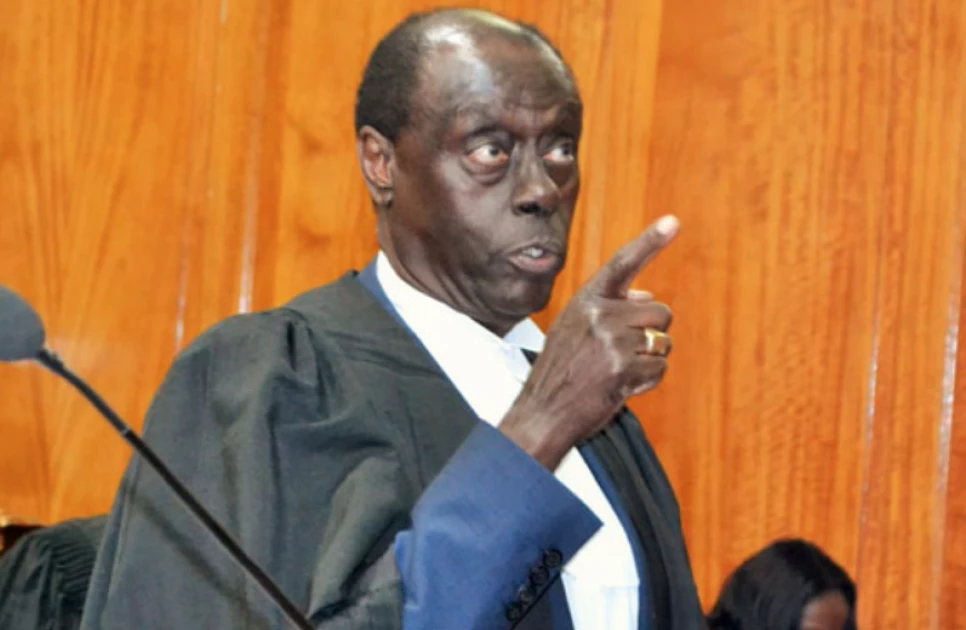
The dispute, which has drawn attention because of Muite’s prominence in Kenya’s legal and political circles, raises questions about airline liability, passenger rights under Kenyan law, and how carriers handle disruptions caused by industrial action.
Below is a detailed, fact-checked account of what happened, what Muite is claiming, the legal and regulatory context, and what could happen next.
The incident: what allegedly happened on August 31
According to the demand letter dated September 7, 2026, and signed by lawyers from Maina Ngaruiya & Company Advocates, the Muite family, comprising Paul Muite, his wife Dr Edith Muite, their two daughters and two grandchildren, had just completed an 11-day holiday in Zanzibar and were booked to return to Nairobi on Kenya Airways Flight KQ491.
Key factual points from the lawyers’ narrative:
The family arrived at Zanzibar airport at about 8:10 a.m. for a flight scheduled to depart at 10:10 a.m.
They reportedly sought confirmation from Kenya Airways staff, who allegedly assured them the flight would operate as scheduled.
Instead of boarding, the family claims they were kept waiting at the airport for approximately seven and a half hours without adequate information, refreshments, or alternative travel arrangements.
At around 3:45 p.m., more than five and a half hours after the scheduled departure, they were informed by a Zanzibar airport employee that Flight KQ491 had been cancelled.
With no rebooking or rescue flight offered by the airline that day, the family says it had no choice but to hire a private charter aircraft to fly them to Nairobi.
The cancellation occurred against the backdrop of a wider aviation workers’ strike that had already disrupted flights across Kenya’s main hubs earlier in the week.
The financial claim: how Muite arrives at Sh3m
The demand letter sets out a detailed breakdown of the sums being claimed from Kenya Airways.
1. Private charter costs
USD 20,500 (approximately Sh2.65 million) for the private charter flight from Zanzibar to Nairobi.
An additional Sh52,650 in charter-related expenses.
Together, these amount to roughly Sh2.71 million in out-of-pocket costs the family says it incurred because KQ did not provide an alternative flight.
2. Partial refund of air tickets
The family paid Sh596,450 for return tickets on Kenya Airways.
The lawyers are demanding 50% of that amount—Sh298,225 to cover the Zanzibar–Nairobi leg that was not utilised on August 31 due to the cancellation.
3. General damages
In addition to the quantified expenses, Muite’s team is seeking general damages for:
Inconvenience and frustration
Distress and disruption
Loss of amenity
Alleged poor customer care, including failure to provide food, water, or clear communication during the long wait.
The total demand is therefore framed as “over Sh3 million” when combining the charter costs, partial ticket refund, and unspecified general damages
The letter gives Kenya Airways seven days from receipt to:
Accept liability
Reimburse the claimed expenses
Pay general damages
Provide a written explanation of how the cancellation was handled.
Failure to comply, the lawyers warn, will result in legal proceedings to recover the sums claimed, plus interest and legal costs.
Context: the aviation strike and Kenya Airways’ losses
The cancellation of Flight KQ491 did not happen in isolation. It came in the wake of a two-day aviation workers’ strike that severely disrupted operations at Jomo Kenyatta International Airport (JKIA) and other Kenyan airports between late August and early September 2026.
Reported impacts of the strike include:
Kenya Airways stating it lost up to $7 million (about Sh906 million) over two days, covering lost revenue and costs such as customer accommodation, meals, rebooking, and compensation.
Another report putting KQ’s losses at Sh905 million over three days, with 63 flights cancelled and more than 160 delayed.
Widespread passenger strandings, with hundreds forced to sleep at airports as flights were grounded or delayed.
The strike was called off on September 1, 2026, after a Return-to-Work Agreement was signed between the Kenya Aviation Workers Union (KAWU), the Kenya Civil Aviation Authority (KCAA), the Kenya Airports Authority (KAA), and government representatives, with talks on underlying labour issues set to continue.
Kenya Airways has publicly acknowledged that the industrial action caused delays of “more than six hours” and that the resulting backlog forced some cancellations. The airline has said it allowed affected passengers to reschedule without penalty.
What remains legally contentious is whether a strike, often classified as an “extraordinary circumstance” under many air passenger regimes—fully absolves an airline of all compensation obligations, or whether duties such as care, information, and alternative transport still apply.
Passenger rights and airline liability in Kenya
Kenya’s air passenger protection framework is primarily anchored in the Kenya Civil Aviation Regulations, which incorporate provisions on denied boarding, cancellations, and long delays. While the exact text of the regulations is technical, the broad principles mirror international norms:
Airlines are generally expected to offer assistance (meals, refreshments, communication, accommodation where necessary) when flights are cancelled or significantly delayed.
Where a flight is cancelled, passengers are typically entitled to a choice between re-routing to their final destination or a refund, and in some cases compensation, unless the cancellation is due to extraordinary circumstances beyond the airline’s control.
Even where an event like a strike may be deemed “extraordinary,” the carrier’s duty of care, providing information, basic refreshments, and reasonable alternative arrangements—often remains.
In Muite’s case, the lawyers’ core allegations go beyond the mere fact of cancellation. They focus heavily on:
The length of the wait (over seven hours)
The alleged lack of basic refreshments, including drinking water, despite the presence of a three-year-old child in the party.
The absence of clear communication about the cancellation or alternative options until late in the day.
The failure to arrange an alternative flight on the same day, forcing the family to self-rescue via a private charter.
These factual assertions, if proven, could strengthen the argument that Kenya Airways breached its contractual and regulatory duties, even if the initial cancellation was triggered by a strike.
Why this case matters beyond one family’s claim
While the headline figure over Sh3 million draws attention, the dispute has wider implications:
Precedent for high-profile passengers
As a Senior Counsel and well-known public figure, Muite’s willingness to litigate against the national carrier signals that even prominent individuals are prepared to test the limits of airline liability in Kenya.Pressure on Kenya Airways’ customer care systems
The airline is already under financial strain following the strike-related losses. A court case that scrutinises its handling of cancellations could push KQ to strengthen its contingency plans, communication protocols, and passenger care during disruptions.Clarity on “extraordinary circumstances”
Kenyan courts have relatively few high-profile, well-documented cases dissecting how far the “extraordinary circumstances” defence extends, especially where the airline’s own response (or lack thereof) arguably compounds the harm. This dispute could help shape that jurisprudence.Public confidence in air travel
For ordinary travellers, the key question is whether they can expect basic standards of care when things go wrong. A transparent resolution, whether through settlement or judgment, could either reassure passengers or deepen scepticism about enforcement of their rights.
What could happen next?
As of September 8, 2026, the situation stands as follows:
Kenya Airways has seven days from receipt of the demand letter to respond.
The airline can either:
Negotiate a settlement, potentially paying part or all of the claimed amounts to avoid litigation; or
Contest liability, arguing that the cancellation was due to extraordinary circumstances (the strike) and that its response met legal and contractual standards.
If no settlement is reached, Muite’s lawyers have stated they have “mandatory instructions” to file suit. In that scenario, a court would likely examine:
Whether the cancellation was indeed caused by the strike and whether that qualifies as an extraordinary circumstance under Kenyan regulations.
Whether Kenya Airways fulfilled its duties of care, information, and alternative transport during and after the cancellation.
Whether the private charter cost was a reasonable and necessary expense given the circumstances, or whether a cheaper alternative was available.
The outcome could set a reference point for future claims by other passengers affected by the same wave of cancellations.
Bottom line
Paul Muite’s demand is not just about one family’s disrupted holiday. It is a stress test of Kenya’s air passenger protection regime, Kenya Airways’ crisis management, and the legal boundaries of airline liability during industrial action.
For now, the facts are clear: a flight was cancelled after a long wait; the family hired a private charter at significant cost; and a formal legal demand has been issued with a seven-day deadline.
Whether this ends in a quiet settlement or a precedent-setting court battle will depend on Kenya Airways’ next move—and on how Kenyan courts choose to interpret the balance between “extraordinary circumstances” and an airline’s enduring duty to its passengers.
Written by
Lawrence JLawrence John is the Founder and Editor of Africa Daily Dispatch, an independent digital publication focused on delivering timely, accurate and context-driven coverage of Africa and the wider world.
See more of our stories on Google
Add The Africa Daily Dispatch as a preferred source and we'll appear more often in your Top Stories.
Comments
Join the conversation.
Loading comments…