Peaceful 2027 Elections Will Require Cooperation Between Kenya’s Institutions
The National Police Service has called for stronger cooperation between Kenya's institutions as preparations begin for the 2027 General Election, saying no single agency can independently guarantee the country's security during the electoral period.
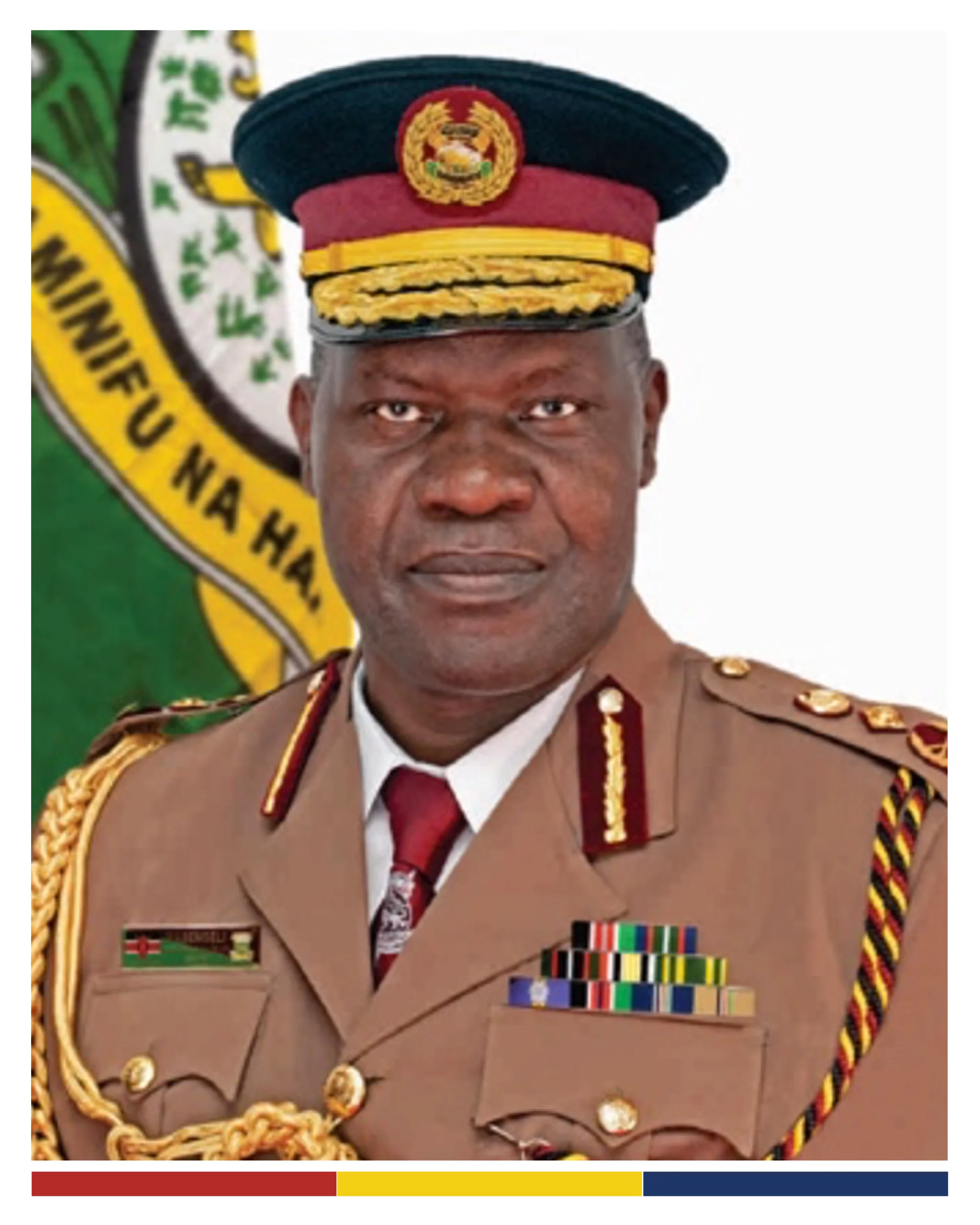
Speaking at the launch of the roadmap for violence-free 2027 elections, the Deputy Inspector-General of Police emphasised the importance of cooperation between independent commissions, security agencies and other institutions working to protect the country.
The DIG described the relationship between independent institutions as one of interdependence, stressing that different agencies may have separate mandates but still depend on one another to achieve broader national objectives.
At the centre of that cooperation, the DIG said, should be Kenya itself.
The National Police Service therefore intends to work closely with the National Cohesion and Integration Commission and other stakeholders as preparations for the 2027 election continue.
The police leadership said such cooperation would include strengthening early-warning and early-response mechanisms.
The objective is to ensure that potential threats are detected and addressed before they develop into larger security problems.
Community engagement will also form part of the approach.
The DIG said the police would enhance engagement with communities, including at grassroots level, while paying attention to vulnerable groups.
The approach suggests that election security will involve more than deployment of officers during voting.
Instead, the police want to work with communities and other institutions to understand emerging tensions and address them before they escalate.
The DIG also said security interventions must remain professional and impartial and be anchored in the law.
This emphasis on lawful and professional policing was linked to the wider responsibility of protecting life and property.
The National Police Service views the protection of citizens and property as a central part of its mandate.
At the same time, the police leadership acknowledged the importance of protecting civil and political rights during elections.
The DIG said peaceful elections must go together with the protection of constitutional rights.
This means that security preparations must operate alongside respect for lawful political participation.
The police will also work with other security agencies and institutions involved in the electoral process.
According to the DIG, the National Police Service will provide security before, during and after the elections.
The service will participate in securing electoral arrangements and programmes involving the electoral commission and other agencies and organisations.
The emphasis on cooperation reflects the scale of the task facing institutions as Kenya approaches another national election.
The DIG's remarks presented election security as a collective national undertaking rather than a responsibility that can be assigned exclusively to the police.
The police, NCIC, electoral institutions, other government agencies and communities will all have roles to play.
The message from the DIG was therefore one of coordination, early intervention and institutional cooperation.
For the National Police Service, preparing for 2027 means establishing mechanisms that can respond to potential threats before they become crises.
The success of that approach will depend on how effectively institutions work together and how consistently security interventions remain professional, impartial and within the law.
As political activity increases, the DIG's message is that Kenya's institutions must remain connected by a common objective: protecting life, property and the country's stability throughout the electoral period.
Written by
Lawrence JLawrence John is the Founder and Editor of Africa Daily Dispatch, an independent digital publication focused on delivering timely, accurate and context-driven coverage of Africa and the wider world.
Comments
Join the conversation.
Loading comments…