Jeff Bezos wants the bottom half of earners to pay zero income tax
Amazon founder Jeff Bezos has publicly endorsed a bold tax idea: eliminate federal income taxes for the bottom 50% of U.S. earners, arguing that the revenue gained from this group is so small it isn’t worth the burden on working families. In a May 2026 CNBC interview, he pointed to a nurse making about $75,000 a year in Queens, saying she shouldn’t be sending money to Washington—and estimating she could save roughly $12,000 annually if her federal income tax bill went to zero.
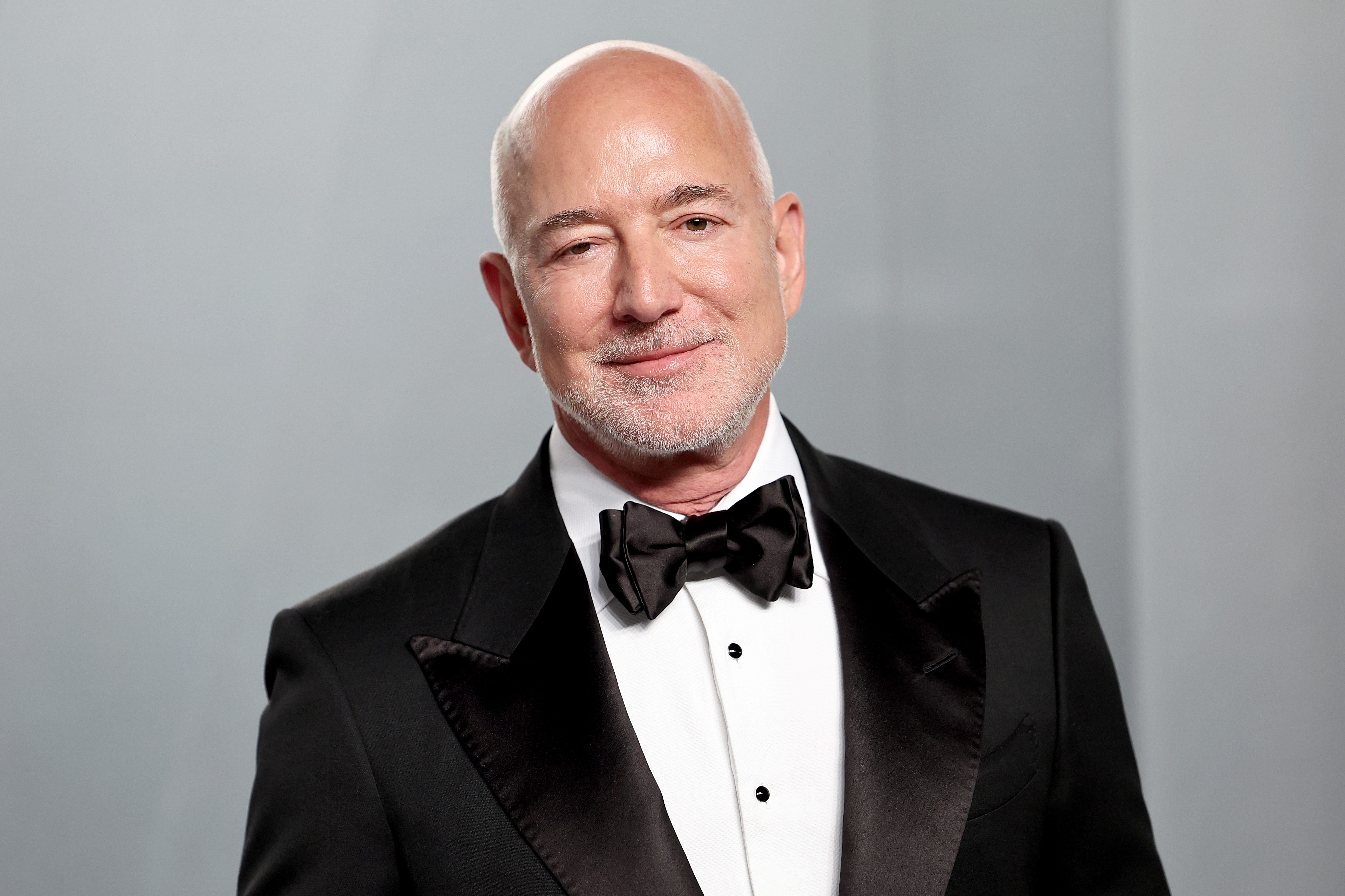
Jeff Bezos’s Push to Zero Out Income Tax for the Bottom Half of Earners
Bezos’s comments landed amid rising concerns about affordability and a “tale of two economies,” where lower- and middle-income households feel squeezed while wealth concentrates at the top. His proposal aligns with existing legislation in Congress and has reignited debate over who should pay what in the U.S. tax system.
What Bezos Actually Said—and the Numbers Behind It
Bezos made his case on CNBC’s “Squawk Box,” noting that the top 1% of taxpayers pay about 38–40% of all federal individual income taxes, while the bottom half pay only around 3%. “I don’t think it should be 3%,” he said. “I think it should be zero.”
He framed the issue with a concrete example: a healthcare worker earning $75,000. “We shouldn’t be asking this nurse in Queens to send money to Washington,” Bezos said. “They should be sending her an apology.” He characterized the income tax paid by lower earners as “a small amount of money for the government” and said he would advocate for eliminating it.
The $12,000 savings figure Bezos cited for a $75,000 earner is a back-of-the-envelope estimate rather than a line-by-line IRS calculation. It reflects the idea that, for many in this income range, federal income tax (before credits) can run in the low five figures depending on filing status, deductions, and dependents. In practice, the exact amount any one nurse saves would vary widely—but the direction is clear: zeroing out federal income tax for this group would meaningfully increase take-home pay for many.
Who Is in the “Bottom Half” and What Do They Pay Now?
According to Tax Foundation analysis of 2023 IRS data, taxpayers in the bottom 50% of the income distribution earned 12.3% of adjusted gross income and paid 3.3% of all federal individual income taxes. The average income tax rate in 2023 was 14.1% overall; the top 1% paid an average rate of 26.3%, about seven times the 3.7% average rate paid by the bottom half.
More than 76 million households fell into that bottom half in 2023, paying an average of $913 in federal income taxes. Importantly, tax experts note that the bottom 40% of taxpayers already pay no federal income tax on average when refundable credits (like the Earned Income Tax Credit and Child Tax Credit) are counted. That means Bezos’s proposal would primarily affect earners roughly between the 40th and 50th percentiles—people who do owe some federal income tax but not large amounts.
In 2023, the bottom half had an adjusted gross income cutoff near $54,000, according to Tax Foundation data cited in reporting on Bezos’s comments. So when Bezos talks about a $75,000 nurse, he’s using a round, relatable figure slightly above that threshold to illustrate the principle: even modest-income professionals feel the pinch of federal withholding.
The Legislative Match: Cory Booker’s “Keep Your Pay Act”
Bezos’s idea isn’t floating in a policy vacuum. In March 2026, Senator Cory Booker (D-NJ) introduced the Keep Your Pay Act, which proposes making the first $75,000 of income tax-free for households filing joint returns, with proportional relief for single filers and heads of household. Booker has called the measure “a game changer for working people,” arguing it would put more money in families’ pockets each month and help with the affordability crisis.
Booker’s bill explicitly targets teachers, firefighters, nurses, and similar middle-class workers, arguing the current system is “unrigged” when billionaires can have very low effective tax rates while essential workers pay a higher share of their income in taxes. Bezos’s endorsement adds a high-profile, business-world voice to that argument, even as he positions himself as concerned about inequality and the concentration of wealth.
How Much Would It Cost—and Who Would Make Up the Difference?
Bezos argues that eliminating income tax for the bottom half would cost the government “almost nothing” in lost revenue because this group contributes such a small slice of total collections. That’s directionally consistent with the data: if the bottom half pays roughly 3% of federal individual income taxes, removing that slice would reduce income tax receipts by a small percentage, though not zero in absolute dollars given the size of the overall tax base.
The bigger question is how to offset the loss. Options discussed in broader tax debates include:
- Raising rates or closing loopholes at the very top (e.g., higher marginal rates, minimum taxes on billionaires, or stronger enforcement). Newrepublic
- Broadening the base by limiting certain deductions or preferences that primarily benefit higher earners. Taxfoundation
- Relying on other revenue sources (payroll taxes, consumption taxes, or corporate taxes), each with its own trade-offs for growth and fairness. Taxfoundation
Critics often point out that even small percentages of a multi-trillion-dollar tax bill add up, and that any cut must be paired with credible offsets to avoid increasing deficits. Supporters counter that the economic and social benefits—more disposable income for working families, reduced complexity for low-bracket filers, and a clearer message that the system is designed to protect the middle class—justify the change.
Why a Nurse Making $75K Feels the Pinch
A $75,000 salary sounds solid, but in high-cost areas like New York City, it can stretch thin after rent, childcare, transportation, and student loans. Under current brackets, a single filer at $75,000 doesn’t pay 22% on all their income; they pay 10% on the first slice, 12% on the next, and 22% only on income above the 12% bracket threshold. Still, before credits and deductions, the federal income tax line on a W-2 can easily reach several thousand dollars—and when combined with state and local taxes and payroll taxes, the total bite feels substantial.
Bezos’s $12,000 figure likely bundles several ideas: eliminating federal income tax entirely for this earner, potentially simplifying withholding so more of each paycheck is take-home, and highlighting how refundable credits don’t fully neutralize the sense of “sending money to Washington” every month. The exact number will vary by filing status and dependents, but the underlying point is that many nurses, teachers, and similar professionals see a meaningful chunk of their pay vanish to federal income tax—even if they’re not wealthy by any stretch.
The Bigger Picture: Inequality, AI Wealth, and “Two Economies”
Bezos raised his tax idea while discussing a broader “tale of two economies,” where pandemic-era subsidies have expired and energy costs have risen, hitting lower- and middle-income households harder. He’s also spoken about how AI and automation could concentrate wealth unless policy adapts. In that context, zeroing out income tax for the bottom half is one of several proposals floated to ensure working Americans share in productivity gains—alongside ideas like data dividends, sovereign wealth funds, shorter workweeks, and new forms of corporate taxation. eciks
From Bezos’s perspective, making the first tranche of income tax-free is a straightforward, politically legible way to say: if the economy is booming, the people keeping it running should feel it immediately in their paychecks.
What Would Change for Real People?
If a version of Bezos’s idea or Booker’s bill became law, the most visible effects would be:
- More take-home pay for millions of households, especially those in the 40th–50th income percentiles who currently owe some federal income tax.
- Simpler filing for many low- and moderate-income taxpayers, potentially reducing reliance on complex credits just to get to zero liability.
- A symbolic shift in the tax code’s message: the first dollars you earn are yours, and the system is designed to protect the middle class. newrepublic
At the same time, policymakers would need to address revenue offsets and ensure the change doesn’t inadvertently benefit higher earners through bracket creep or other dynamics.
Bottom Line
Jeff Bezos’s proposal—to eliminate federal income tax for the bottom half of earners and spare a $75,000 nurse from sending money to Washington—is both a specific policy idea and a broader statement about fairness in a high-cost, high-inequality economy. The data show the bottom half pays a small share of total income taxes, and the bottom 40% often pay none on average after credits, so the fiscal cost is limited relative to the overall budget—but not trivial.
Whether through Booker’s Keep Your Pay Act or a future compromise, the core question is whether Washington should explicitly shield the first $50,000–$75,000 of income from federal taxation as a permanent feature of the code. Bezos’s answer is clear: for the bottom half, the rate should be zero.
Sources;
- CNBC and related reporting on Bezos’s May 2026 “Squawk Box” interview, including his “zero for the bottom half” comments and the nurse example. eciks
- Tax Foundation analysis of 2023 IRS data on income shares, tax shares, and average rates by income group. taxfoundation
- Details on Senator Cory Booker’s Keep Your Pay Act (first $75,000 tax-free for joint filers) and its framing around nurses, teachers, and firefighters. eciks
- Context on refundable credits and the fact that the bottom 40% already pay no federal income tax on average. eciks
Written by
Lawrence JLawrence John is the Founder and Editor of Africa Daily Dispatch, an independent digital publication focused on delivering timely, accurate and context-driven coverage of Africa and the wider world.
Comments
Join the conversation.
Loading comments…