DR Congo Launches Emergency Ebola Vaccinations Amid Unprecedented Outbreak
The Democratic Republic of the Congo (DRC) has initiated an emergency Ebola vaccination campaign as the country confronts the deadliest and fastest-spreading outbreak of the virus in its history.
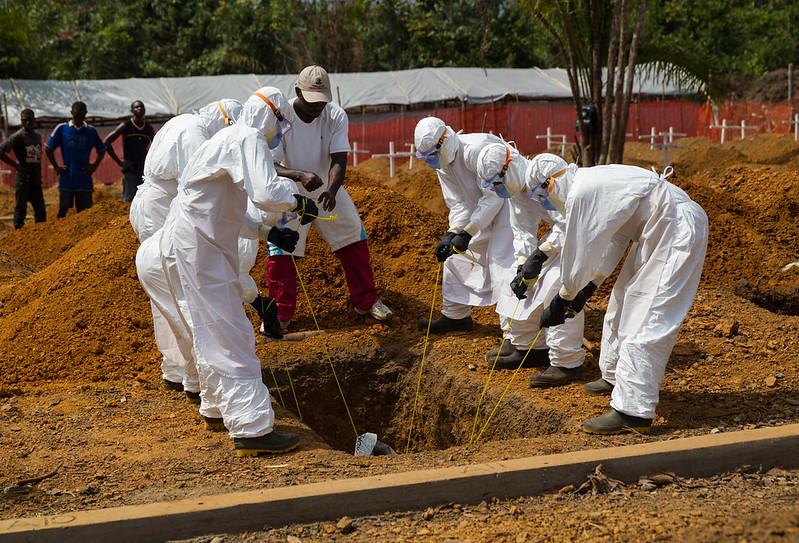
Health authorities launched the immunisation drive on Thursday, August 28, 2026, in Kisangani, the capital of Tshopo province in the eastern region, prioritising frontline healthcare workers and response personnel. The campaign comes as the World Health Organization (WHO) and UN agencies warn that the epidemic is growing exponentially, with more than 5,500 confirmed cases and over 2,600 deaths recorded since the outbreak was declared in mid May. United Nations
Unprecedented Scale and Speed of Transmission
The current outbreak, caused by the Bundibugyo strain of the Ebola virus, has reached alarming proportions within just 100 days of official declaration. As of August 21, 2026, the DRC reported 5,290 confirmed cases and 2,516 deaths across 56 health zones, making this the second-largest Ebola outbreak ever recorded globally and the largest in the DRC's history. The mortality rate stands at nearly 48 percent, meaning almost one in two infected individuals is dying from the disease.
What distinguishes this outbreak from previous epidemics is its unprecedented velocity of spread. The WHO reports an average of nearly 90 confirmed cases recorded daily during the first three months, a rate exceeding that of the devastating 2018-2020 outbreak in the DRC. Half of all deaths occurred in just the last 20 days leading up to late August, indicating exponential growth. Congolese health experts caution that the official figures may represent only 30 to 40 percent of actual infections, suggesting the true scale could be up to three times larger than reported.
Vaccination Campaign and Medical Response
The vaccination rollout represents a critical turning point in containment efforts. Health Minister Roger Kamba officially launched the campaign in Kisangani, with medical staff and frontline containment workers receiving the first doses. Authorities are deploying Ervebo, a vaccine licensed against the Zaire ebolavirus species, under a compassionate-use programme while researchers gather data on its effectiveness against the Bundibugyo strain currently circulating.
Approximately 16,250 vaccine doses arrived in the DRC on Friday, August 22, with the WHO allocating up to 70,000 doses total for the emergency response. However, health officials emphasise that vaccination alone cannot stop the outbreak without parallel investments in surveillance, contact tracing, community engagement, and clinical care. WHO Director-General Tedros Adhanom Ghebreyesus stated that the response effort needs to be scaled up two to threefold to reach every affected area and contain transmission.
Security Crisis and Humanitarian Challenges
The outbreak's rapid expansion is being fuelled by decades of armed conflict in eastern DRC, which has undermined law, order, and social services while displacing more than one million people. Insecurity has hampered access to affected communities, disrupted surveillance systems, and placed healthcare workers at extreme risk. The virus has now spread to 57 health zones across six provinces: Ituri, North Kivu, South Kivu, Haut-Uele, Bas-Uele, and Tshopo.
The Congo River, one of Central Africa's busiest transport corridors, poses a particular concern as a potential vector for carrying the virus toward major population centers, including the capital Kinshasa. In response, the DRC government launched an emergency initiative on August 21 to reinforce surveillance along the river and prevent further geographic spread.
International Response and Calls for Action
The international community has mobilised resources and expertise, though health agencies warn that current efforts remain insufficient. The Africa CDC cautioned that the outbreak could be far larger than official counts suggest, while the WHO declared a public health emergency on May 17. UN Senior Ebola Coordinator Julien Harneis described the situation as "growing exponentially" and called for enhanced protection and support for frontline health workers, including protective equipment, timely payment, and access to rapid diagnosis and quality care
Pope Leo XIV urged global action to save lives as case numbers climbed past 5,500 in late August. Human rights organisations, including the Human Rights Research Centre, have called on global and regional agencies to swiftly mobilise additional resources to address the rapidly worsening crisis. They emphasise the need to increase case identification and contact tracing rates while addressing challenges posed to treatment and response efforts in conflict-affected areas.
Historical Context and Future Outlook
This outbreak has already surpassed the 2018-2020 epidemic, which previously held the record as the DRC's deadliest Ebola outbreak with approximately 2,300 deaths. The 2014-2016 West Africa outbreak remains the largest in history, with over 11,000 deaths across multiple countries. However, the current DRC epidemic is spreading faster than any previous outbreak on record, raising concerns about potential regional spread if containment measures fail.
The Bundibugyo strain, first identified in Uganda in 2007, has historically caused smaller outbreaks with lower transmission rates than the Zaire species. The unprecedented scale of this epidemic suggests that contextual factors, particularly conflict, displacement, and weakened health systems, are driving transmission more than viral characteristics alone.
Health officials stress that the outbreak can be stopped, but only with immediate, coordinated action. Priorities include reaching every affected area, protecting frontline workers, scaling up surveillance and contact tracing, and ensuring communities have access to accurate information and supportive care. The success of the vaccination campaign, combined with strengthened public health measures and international support, will determine whether this historic epidemic can be contained before it spreads further across the region.
Written by
Lawrence JLawrence John is the Founder and Editor of Africa Daily Dispatch, an independent digital publication focused on delivering timely, accurate and context-driven coverage of Africa and the wider world.
Comments
Join the conversation.
Loading comments…