Bruno Fernandes’ Hull Defeat Analysis: Manchester United Had the Ball, But Not Enough Threat
Bruno Fernandes' post-match assessment of Manchester United's defeat to Hull City was considerably more direct than a simple admission that the result was disappointing.
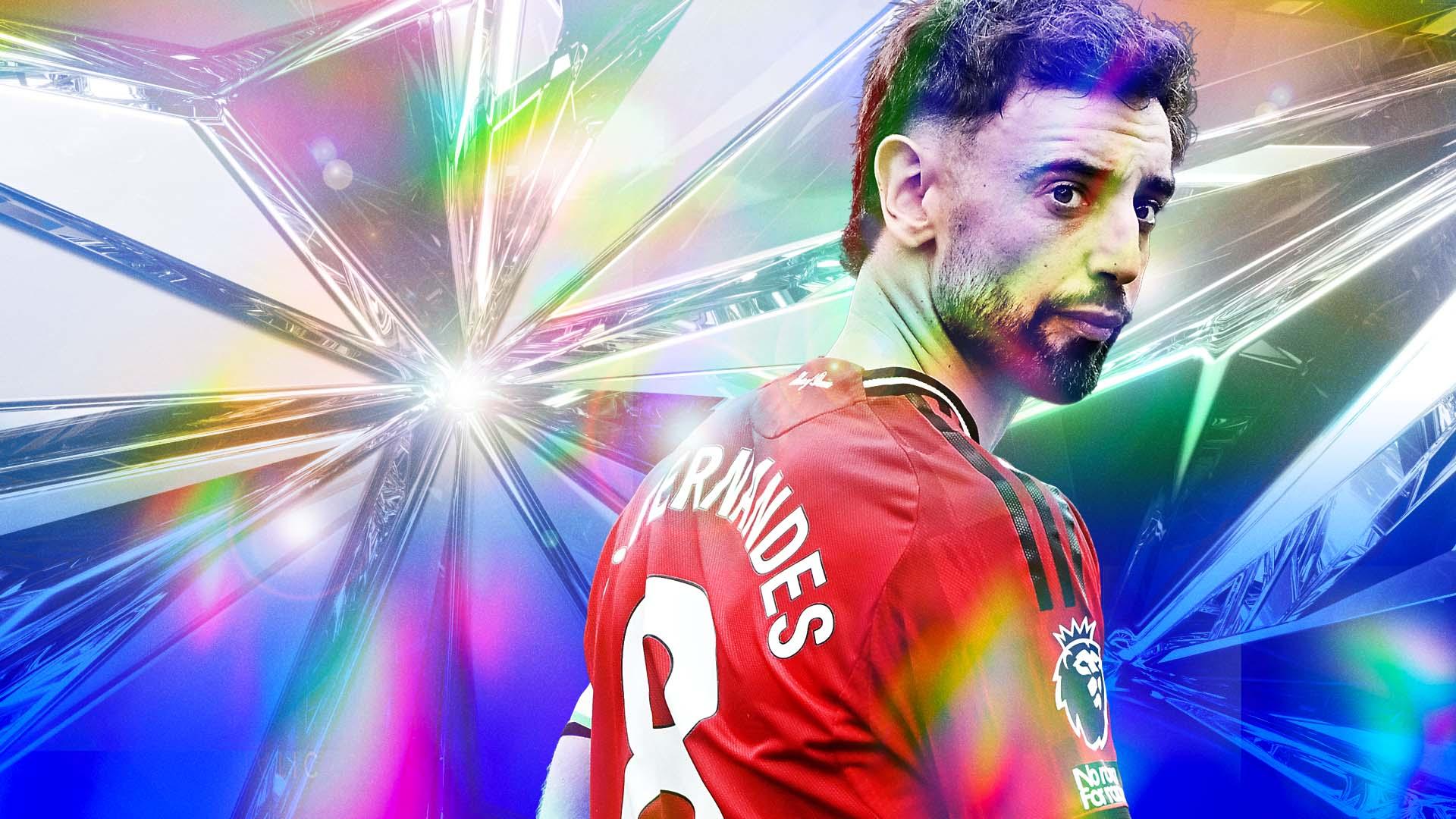
The United captain identified three problems that go to the heart of the team's performance: possession without sufficient penetration, a lack of decisiveness in the final third and vulnerability from set pieces.
Those observations provide a clearer explanation of why Manchester United failed to turn their control of the ball into a positive result.
Possession was not the problem
Bruno's most important comment was that Manchester United had "a lot of the ball" but were not decisive or incisive enough in the final third.
That distinction is crucial.
Possession is only valuable when it creates an advantage.
A team can control the ball for long periods without seriously threatening the opposition goal. If circulation becomes predictable, if passes arrive too slowly or if attacking players cannot break defensive lines, possession can become cosmetic rather than productive.
That appears to be one of the main lessons from United's performance.
Hull were able to defend their penalty area effectively, while Manchester United struggled to create the decisive moment that would have changed the match.
This suggests that United's problem was not necessarily getting into possession.
It was turning possession into danger.
Hull's defensive structure deserves credit — but United must solve the problem
Bruno was careful not to dismiss Hull's contribution.
He acknowledged that they defended their box well and highlighted the difficulty of playing away against a newly promoted side with the energy of a home crowd.
That is an important part of the analysis.
Hull did not simply sit passively and wait for United to make mistakes. Their aggression, defensive commitment and set-piece threat gave them a platform from which to compete.
But acknowledging the opponent does not remove United's responsibility.
Manchester United will face teams throughout the season that defend deeply, compete aggressively and make the atmosphere uncomfortable.
If United want to control matches consistently, they must develop ways of breaking those defensive structures.
The Premier League will provide plenty of opponents willing to surrender possession and defend their box if that is what it takes to frustrate United.
Today's game therefore represents a tactical test that United will encounter repeatedly.
The set-piece goals are particularly concerning
Bruno's comments about set pieces were perhaps the most damaging admission from the interview.
He said United should have been aware that Hull would be aggressive and that many Premier League teams would use set pieces as one of their strengths.
In other words, this was not an unexpected tactical surprise.
United knew the threat existed.
Yet they conceded two goals from set-piece situations.
That raises questions about defensive organisation, concentration and individual responsibility.
Set-piece defending is one of the areas where preparation should translate most directly into execution. Players know their assignments, coaches can rehearse the scenarios and the likely deliveries can be anticipated.
When the same weakness produces decisive goals, it becomes difficult to describe it simply as bad luck.
For United, this needs to become an immediate training-ground priority.
Bruno's response shows a captain focusing on solutions
Another revealing aspect of Bruno's interview was what he did not do.
He did not blame the referee, the atmosphere, the opposition's approach or the pressure of playing away from home.
Instead, he repeatedly returned to improvement.
"We need to get better" was essentially the message.
That is important because Manchester United's response now needs to be collective.
The defeat cannot be solved by one player producing a moment of individual brilliance in the next match.
The midfield needs to improve the speed and quality of progression. The attacking players need to become more threatening in the final third. The defensive unit needs to deal with set pieces more effectively.
And the entire team needs to respond to pressure better.
The Ipswich match now carries additional weight
Bruno admitted that the first home match of the season has become even more important because United failed to get the result they wanted away from home.
That is the unavoidable consequence of losing points early.
The next match does not merely offer three points. It offers Manchester United the opportunity to demonstrate that the Hull defeat was an isolated setback rather than the beginning of a pattern.
The psychological response will matter.
But the tactical response matters more.
United need to show greater penetration in the final third.
They need to create clearer chances.
They need to defend set pieces with greater reliability.
And they need to make their possession translate into territorial and scoreboard pressure.
Bruno's comments reveal the difference between control and dominance
Perhaps the biggest lesson from the interview is that Manchester United cannot confuse controlling possession with controlling a football match.
True dominance requires more.
It requires forcing the opponent into difficult decisions, creating repeated chances, controlling transitions and limiting the opposition's most dangerous routes to goal.
Against Hull, United had the ball but did not consistently impose themselves where it mattered most.
That is why Bruno's assessment is so useful.
He has effectively identified the central challenge facing the team: United need to become more decisive with the football they already have.
There is no guarantee that will be solved immediately.
But the next match against Ipswich provides the first opportunity to see whether the coaching work discussed by Carrick and the shortcomings identified by Bruno are beginning to converge.
The Hull defeat is therefore less important for the points United lost than for the questions it exposed.
Written by
Lawrence JLawrence John is the Founder and Editor of Africa Daily Dispatch, an independent digital publication focused on delivering timely, accurate and context-driven coverage of Africa and the wider world.
Comments
Join the conversation.
Loading comments…